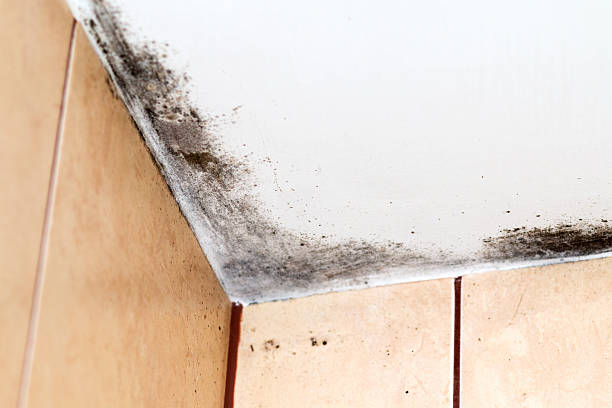
Mold removal companies specialize in identifying, containing, and eliminating mold infestations in residential and commercial properties. Their operations are methodical, professional, and designed to ensure the safety of occupants while restoring indoor environments to a healthy state. Below is an overview of what these companies do and how they operate.
Inspection and Assessment
- Visual Inspection: Identifying visible signs of mold on walls, ceilings, or furniture.
- Moisture Mapping: Using moisture meters to pinpoint areas where water damage has created favorable conditions for mold.
- Air Sampling: Collecting air samples to measure spore levels and identify mold types if necessary.
- Lab Testing: In some cases, sending samples to a lab for precise identification.
This step helps determine the extent of the infestation and informs the remediation plan.
Containment
- Physical Barriers: Installing plastic sheeting or temporary walls around affected areas.
- Negative Air Pressure Systems: Employing HEPA-filtered equipment that prevents spores from escaping into unaffected spaces.
- Sealing HVAC Systems: Ensuring heating and cooling systems don’t circulate contaminated air throughout the property.
Effective containment measures mitigate risks during remediation.
Mold Removal
- Nonporous materials like glass or metal are cleaned with antimicrobial solutions.
- Soft materials like fabric might be treated or discarded depending on contamination levels.
- Porous materials such as drywall or insulation that cannot be salvaged are carefully removed and disposed of following local regulations.
- Careful cutting ensures minimal disruption to surrounding structures.
- High-Efficiency Particulate Air (HEPA) vacuums are used to capture loose spores.
- Air scrubbers improve indoor air quality by filtering out contaminants.
Repair and Restoration
After removing the mold, reputable companies offer repair services to restore damaged areas. This could involve replacing drywall, repainting surfaces, or reinstalling flooring. The goal is not only to return your property’s appearance but also its structural integrity.
Preventative Measures
- Fix leaks promptly in roofs, pipes, or plumbing systems.
- Maintain proper ventilation in high-moisture areas like bathrooms and kitchens.
- Install dehumidifiers where humidity levels frequently exceed 60%.
Some companies may offer routine inspections as part of their service plans.
| Service Phase | Key Actions |
| Inspection | Visual check, moisture mapping, testing |
| Containment | Barriers installed; airflow controlled |
| Mold Removal | Cleaning surfaces; removing infected items |
| Repair & Restoration | Replacing damaged structures |
| Prevention | Recommendations for reducing future risk |
By understanding how these companies operate at each stage—from detection through prevention—homeowners can feel more confident about investing in professional services when faced with a mold problem.
How a Professional Mold Removal Company Tackles the Abatement Process
Step 1: Inspection and Assessment for Black Mold Removal
The first step in the mold abatement process involves inspecting the affected property. Professionals use advanced tools such as moisture meters, thermal imaging cameras, and air quality testers to identify:
– Active mold growth – Visible colonies on walls, ceilings, or other surfaces.
– Hidden mold – Mold behind walls, under flooring, or in HVAC systems.
– Moisture levels – Areas with excess humidity or water intrusion that create conditions conducive for mold growth.
Key deliverables during this stage include:
– A detailed report identifying contaminated areas.
– Recommendations for remediation based on the extent of contamination (e.g., localized vs. widespread).
Effective Containment Strategies for Mold Removal Services in Florida
To prevent spores from spreading during the cleanup process, professionals establish containment zones using specialized barriers like polyethylene sheets and negative air pressure machines. This step may involve:
– Sealing off doors, vents, and openings with plastic sheeting.
– Installing HEPA-filtered air scrubbers to capture airborne spores during removal.
Containment ensures that unaffected areas of your home or business remain safe throughout the process.
Step 2: Mold Removal and Cleaning
| Surface Type | Removal Method | Tools/Materials Used |
| Non-porous surfaces | Scrubbing/Wiping | HEPA vacuums, antimicrobial cleaners |
| Porous materials | Removal/Disposal if heavily contaminated | Plastic bags for disposal |
| HVAC systems | Cleaning ductwork | High-efficiency filters |
Professionals prioritize safety by wearing personal protective equipment (PPE) such as gloves, respirators, and protective suits during this step.
Step 3: Addressing Moisture Problems
Because mold thrives in damp environments, professionals identify and resolve moisture issues as part of their service. This might include: – Fixing leaks or plumbing issues. – Improving ventilation. – Using dehumidifiers to maintain optimal humidity levels (30%-50%).
This step prevents recurring issues by eliminating the root cause.
Step 4: Verification and Post-Cleanup Testing
After remediation is complete, a thorough inspection confirms that all traces of mold have been eliminated. Testing procedures may involve: – Air quality tests to check spore levels. – Visual inspection to ensure no visible contamination remains. Results are documented in a post-remediation report for property owners’ reference.
Benefits of Professional Mold Abatement Services
A professional approach offers several advantages over DIY attempts: 1. Thoroughness – Experts address both visible growth and microscopic spores. 2. Safety – Proper equipment minimizes health risks associated with exposure. 3. Prevention – Professionals provide guidance on preventing future outbreaks through moisture control strategies.
Professional mold abatement services provide peace of mind by ensuring your space is restored to a healthy environment effectively and efficiently through a proven methodology.
The Process Behind Professional Mold Abatement Services Explained in Detail
Mold abatement is a critical task that requires precision, expertise, and methodical execution to ensure the complete removal of mold and prevention of future growth. Professional mold removal services follow a structured process to address contamination effectively. Below is an in-depth look at the steps involved in professional mold abatement services.
1. Inspection and Assessment
- Moisture Meters: To measure humidity levels in walls, ceilings, and floors.
- Thermal Imaging Cameras: To detect hidden moisture sources.
- Air Quality Testing: To measure spore concentrations in indoor air.
The inspection helps pinpoint affected areas, identify the type of mold present, and determine the underlying causes of its growth.
2. Containment of Affected Areas
- Sealing Off Rooms: Using plastic sheeting and negative air pressure systems to isolate affected spaces.
- HEPA Filtration Systems: Air scrubbers with High-Efficiency Particulate Air (HEPA) filters trap microscopic spores that may become airborne during cleanup.
Proper containment ensures that other parts of your home or business remain unaffected throughout the process.
3. Removal of Mold-Infested Materials
| Material | Action Taken |
| Drywall | Replace if heavily contaminated |
| Carpeting | Remove if mold has penetrated deep |
| Insulation | Dispose if saturated with moisture |
| Wood | Sand or replace depending on severity |
This phase also includes cleaning non-porous surfaces like metal or glass using specialized biocides or fungicides.
4. Cleaning and Decontamination
- Vacuuming with HEPA Filters: Removes settled spores from surfaces.
- Antimicrobial Treatments: Solutions are applied to treated areas to kill any remaining microbial life.
- Deodorization Processes: Address odors caused by mold growth using odor-neutralizing compounds.
These steps ensure a thorough cleanup while reducing chances of regrowth.
5. Addressing Moisture Issues
- Fixing leaks in roofs, plumbing systems, or foundations.
- Improving ventilation in bathrooms and kitchens.
- Installing dehumidifiers for long-term moisture control.
Without addressing these root causes, even well-performed remediation risks being short-lived.
6. Post-Cleanup Verification
Once remediation is complete, professionals conduct additional testing to confirm success. This may include visual inspections along with air quality testing to verify spore levels fall within acceptable ranges. Providing documentation outlining processes followed and results achieved ensures transparency for property owners.
By adhering to this meticulous process at every stage—from inspection through verification—professional mold abatement services help create safer indoor environments while minimizing risks associated with future contamination or health hazards associated with prolonged exposure to fungi-related allergens or toxins.

Finding a Quality Mold Removal Company You Can Trust
When facing the challenges of mold in your home or business, choosing the right mold removal company is a key step in resolving the issue effectively and safely. Not all companies are created equal, and finding one you can trust requires careful research and evaluation. Below are some essential tips and considerations to help guide your decision.
Look for Proper Certification and Licensing
- IICRC Certification (Institute of Inspection Cleaning and Restoration Certification): This ensures that technicians are trained in proper mold remediation techniques.
- State Licensing: Verify that the company is authorized to operate in your state, as licensing laws can vary by location.
Evaluate Their Experience
Experience is critical when addressing complex mold problems. When researching a company:
– Ask how many years they’ve been in operation.
– Inquire about their experience with situations similar to yours, such as large-scale contamination or specific types like black mold.
A company with proven expertise will have the knowledge needed to handle issues efficiently while minimizing risks.
Assess Their Methods and Equipment
- Containment of affected areas to prevent further spread of spores.
- Use of HEPA air filtration systems to remove airborne particles during cleaning.
- Applying antifungal treatments to inhibit future growth after remediation is complete.
Request References and Reviews
Customer feedback provides valuable insight into a company’s reliability and quality of work. Actions you can take include:
– Reviewing online platforms such as Google Reviews or Angie’s List for customer experiences. – Asking for references from past clients who had similar jobs done. – Checking their Better Business Bureau (BBB) rating for complaints or unresolved issues.
Ensure They Provide Detailed Inspections and Transparent Pricing
A professional mold removal company should begin with a thorough inspection of your property, including moisture detection that identifies underlying causes like leaks or humidity issues.
Beyond inspections, trustworthiness extends to pricing transparency: – Beware of companies offering quotes without an on-site evaluation. – Look for written estimates outlining all services included, rather than vague figures open to additional charges later.
Verify Availability for Post-Service Support
Mold problems may recur if not fully resolved, so companies offering follow-up inspections or warranties demonstrate commitment toward long-term solutions.
| Key Questions | Why It Matters |
| Do you provide a warranty? | Ensures accountability and long-term results |
| Are your technicians certified? | Confirms skill level |
| What methods do you use? | Confirms best practices adherence |
By taking these steps during your search process, you can select a reliable partner who not only resolves immediate concerns but also supports prevention efforts moving forward. A trustworthy partner will prioritize safety while restoring peace of mind throughout this often-stressful time.
Finding the Best Florida Mold Removal Company for Expert Assistance
Mold infestation is a significant concern for homeowners and business owners alike, as it can damage property and pose serious health risks. While there are DIY methods for addressing mold, hiring expert mold removal professionals offers several advantages. Let’s explore the key benefits of entrusting your mold remediation needs to trained specialists.
Expertise and In-Depth Knowledge
- Accurate Identification: They can determine the type and extent of mold growth in your property, including hidden or hard-to-detect areas.
- Customized Solutions: Professionals tailor their approach based on the specific type of mold and its severity.
- Preventative Measures: They address not only visible signs of mold but also underlying issues like moisture or ventilation problems to prevent future infestations.
Comprehensive Mold Inspection
- Identify hidden sources of moisture that contribute to mold growth
- Locate all affected areas, even those behind walls or under flooring
- Determine whether additional services (e.g., HVAC cleaning) are necessary
Safe Mold Removal Techniques
- Containment: Establish barriers such as plastic sheeting or negative air pressure systems to prevent spores from spreading.
- Protective Gear: Use appropriate personal protective equipment (PPE) like respirators, gloves, and suits.
- Specialized Equipment: Leverage HEPA vacuums, air scrubbers, and antimicrobial treatments for effective remediation.
These measures minimize exposure risks for both occupants and workers during the cleanup process.
Improved Indoor Air Quality
| Common Contaminants Removed | Potential Health Effects |
| Mold spores | Allergies |
| Mycotoxins | Respiratory issues |
| Dust particles | Irritation |
By improving air quality through proper remediation methods, professionals create a healthier living or working space.
Time-Efficient Process
DIY mold removal often takes longer due to a lack of knowledge or improper techniques. Experts streamline the process by efficiently addressing every aspect—from inspection to cleanup—saving you valuable time while restoring normalcy faster.
Long-Term Cost Savings
- Reducing repair expenses caused by untreated water damage
- Avoiding repeat remediation efforts by addressing root causes
- Preserving home value through proper maintenance
Peace of Mind
Perhaps one of the most important benefits is peace of mind. Knowing that certified professionals are handling your property ensures that every step is conducted according to industry standards without cutting corners.
By hiring experts for mold removal services, you protect both your health and property while benefiting from comprehensive care tailored specifically to your situation.
Recognizing the Signs That Your Home or Business Requires Immediate Mold Removal
Mold can pose serious risks to both your property and health if left untreated. Identifying the signs of mold growth early can help prevent extensive damage and reduce health hazards. Below are key indicators that your home or business may require immediate mold removal.
Visible Mold Growth
One of the most obvious signs is visible mold growth. Mold often appears as dark spots, stains, or fuzzy patches on walls, ceilings, floors, or other surfaces. While some mold may be easily noticeable, it can also grow in hidden areas such as:
– Behind drywall
– Under carpets or floorboards
– Inside HVAC systems
– Around plumbing fixtures
If you notice any of these visual cues, it’s vital to address them promptly.
Musty Odors
A persistent musty or earthy smell is another indication of mold presence. Even if no visible mold is present, this odor could suggest hidden growth within walls, under flooring, or in poorly ventilated areas like basements and attics.
Water Damage and Persistent Moisture
Mold thrives in damp environments. Areas affected by water damage from leaks, floods, or high humidity are prime locations for mold development. Check for these warning signs:
– Discoloration on walls or ceilings (yellowing, brown spots)
– Peeling paint or wallpaper
– Warped woodwork or flooring
If water-related issues have not been addressed quickly and effectively, they could lead to significant mold problems.
Health Symptoms Related to Mold Exposure
Mold spores can lead to a variety of health concerns when inhaled or contacted regularly. Common symptoms include:
– Allergic reactions (sneezing, runny nose)
– Respiratory issues such as coughing or difficulty breathing
– Skin irritation like rashes
– Worsening symptoms for individuals with asthma
If you notice these symptoms worsening when indoors but subsiding once you leave the space, it could be a sign that mold is present in your environment.
Increased Humidity Levels
High indoor humidity levels create an ideal environment for mold proliferation. A relative humidity above 60% can support its growth. Using a hygrometer to measure indoor humidity can help monitor moisture levels and prevent potential problems.
| Risk Area | Potential Problem | Action Required |
| Leaking Pipes | Hidden water accumulation | Repair leaks immediately |
| Basements/Attics | Poor ventilation | Improve air circulation |
| Bathrooms/Kitchens | High moisture from steam | Install exhaust fans |
| Damp Carpets/Upholstery | Trapped moisture promotes spore growth | Dry materials thoroughly |
Recurring Mold Problems Despite DIY Efforts
If you’ve tried removing mold yourself but find that it keeps coming back, this could indicate underlying issues such as unresolved moisture problems or improper cleaning techniques. In such cases, professional intervention may be necessary for comprehensive remediation.
Recognizing these signs early allows property owners to act before the problem escalates further. When in doubt about managing the situation on your own—or if any of these indicators persist—consult with experienced mold removal professionals who can accurately assess the extent of contamination and recommend appropriate solutions tailored to your needs.

A Step-by-Step Guide to the Professional Mold Remediation Process
Step 1: Inspection and Assessment
The first step in any professional mold remediation process is an in-depth inspection. During this phase:
– Inspectors identify areas affected by mold growth using specialized tools like moisture meters and thermal imaging cameras.
– They assess the extent of contamination to determine whether it’s limited to surface-level infestation or has spread within structural components.
– Air quality tests may also be conducted to detect airborne spores.
Key Output: A comprehensive report detailing the affected areas, severity, and recommended remediation plan.
Step 2: Containment of Mold-Affected Areas
To prevent cross-contamination during removal, professionals isolate affected zones by:
– Sealing off spaces with plastic sheeting and negative air pressure machines.
– Restricting airflow through HVAC systems to ensure spores don’t spread.
This step is crucial for maintaining safety in unaffected parts of your home or business.
Step 3: Mold Removal and Cleaning
| Material Type | Removal Method | Additional Notes |
| Porous materials (e.g., drywall, insulation) | Removing and discarding permanently | These materials are often irreparably damaged by mold growth. |
| Non-porous surfaces (e.g., metal, glass) | Cleaning with EPA-approved agents | Specialized cleaning techniques avoid damaging surfaces while ensuring thorough decontamination. |
| Wood or semi-porous items | Sanding or specialized treatments | Some items may be salvaged if damage isn’t extensive. |
Professionals also use HEPA vacuums to remove spore particles effectively from all surfaces post-cleaning.
Step 4: Air Filtration
Mold spores can linger in the air even after physical cleanup is done. To address this issue, specialists utilize advanced air filtration systems such as high-efficiency particulate air (HEPA) filters and air scrubbers to capture microscopic particles.
Step 5: Repairs and Replacement
Damaged materials removed earlier are replaced as part of restoration efforts. This could include reinstalling drywall, flooring, or insulation previously compromised by mold exposure.
For severe infestations requiring significant structural work, additional contractors might be involved under the supervision of your mold removal team.
Step 6: Preventative Measures Against Future Mold Growth
To minimize future risks, experts often recommend preventative measures tailored to your property’s needs: – Fixing leaks or improving ventilation. – Installing dehumidifiers in damp areas like basements. – Addressing condensation-prone areas around windows or plumbing fixtures.
Some companies may offer periodic inspections as an added service for ongoing prevention.
By adhering to this well-defined process, professional mold remediation companies ensure a thorough cleanup that prioritizes safety while restoring your property effectively.
Tips for Choosing the Right Mold Removal Company for Your Needs
When dealing with mold contamination in your home or business, selecting the right mold removal company is crucial. A reputable and experienced team can ensure that the mold problem is resolved effectively and safely. Below are some actionable tips to help you choose the best company for your needs.
Research Credentials and Certifications
- Institute of Inspection, Cleaning, and Restoration Certification (IICRC): This certification ensures that technicians follow industry standards for effective mold remediation.
- National Organization of Remediators and Mold Inspectors (NORMI): NORMI-certified companies have specialized training in both assessment and remediation practices.
Make sure the company holds a valid license to operate in your state if required by local laws.
Evaluate Their Experience
Experience plays an essential role in handling mold problems effectively. Companies with years of experience will likely have encountered a variety of situations, from minor mold issues to significant infestations involving structural damage.
Questions to ask:
– How long has the company been in business?
– Have they handled projects similar to yours?
Understand Their Process
Professionalism often lies in transparency. Ask potential companies about their remediation process to gauge whether they follow safe and standardized methods.
A reliable process should include:
1. Inspection & Testing: Identifying the type and extent of mold growth. 2. Containment: Preventing cross-contamination during removal. 3. Removal & Cleaning: Using advanced techniques such as HEPA vacuuming or antimicrobial treatments. 4. Final Testing: Ensuring no traces of mold remain.
Avoid companies that promise “instant” remediation without mentioning these critical steps.
Verify Insurance Coverage
Mold remediation can occasionally involve risks such as property damage or incomplete cleanup efforts. Verify that the company holds comprehensive insurance policies, including general liability coverage, which protects against accidental property damage during remediation work.
Seek References and Read Reviews
Genuine customer feedback can provide insights into a company’s reliability and professionalism. Look for reviews on trusted platforms like Google, Yelp, or Better Business Bureau (BBB). Additionally, request references directly from the company to speak with past clients about their experiences.
Key questions for references:
– Were they satisfied with the result?
– Was the project completed on time?
– Was communication clear throughout the process?
Obtain Multiple Estimates
Before making a decision, request estimates from at least three different companies to compare costs and services offered. Be wary of quotes significantly lower than market averages—they may indicate subpar work or hidden fees down the line.
| Company Name | Credentials | Years of Experience | Estimated Cost | Customer Rating |
| Company A | IICRC Certified | 10+ | $2,500 | 4.8/5 |
| Company B | Licensed & Insured | 5 | $2,000 | 4/5 |
| Company C | No certifications | 1 | $1,200 | 3/5 |
It’s better to prioritize quality over cost when it comes to ensuring long-term results.
Red Flags To Watch For
- Lack of certifications or licenses required by your local jurisdiction.
- Overly aggressive sales tactics attempting to rush decisions.
- Vague answers when asked about processes or guarantees.
- Refusal to provide written estimates or contracts detailing terms.
Selecting a dependable mold removal company requires due diligence but pays off through thorough cleanup services that protect your health and property long-term. By focusing on certifications, experience, customer feedback, and transparent communication, you’ll be well-equipped to make an informed choice tailored to your specific needs.
- Effective Hialeah, FL Mold Remediation: Can Mold Return and How to Prevent It
- Tips for Choosing the Best Mold Removal Company After Remediation Issues
- How Does Mold Remediation Work and What Does It Involve?
- A Comprehensive Guide to Black Mold Removal and Remediation
- Facts to Know Before Hiring a Mold Removal Company
- Finding the Right Mold Removal Company to Protect Your Health
- How to Choose the Best Hialeah, FL Mold Removal Company for Post-Rainy Season Cleanup
- Understanding the Process: How a Mold Removal Company Hialeah, FL Handles Remediation