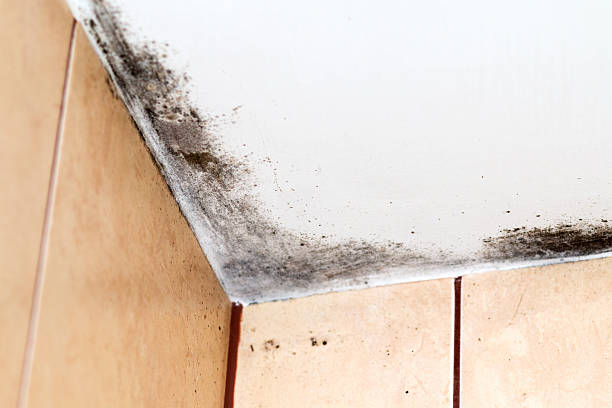
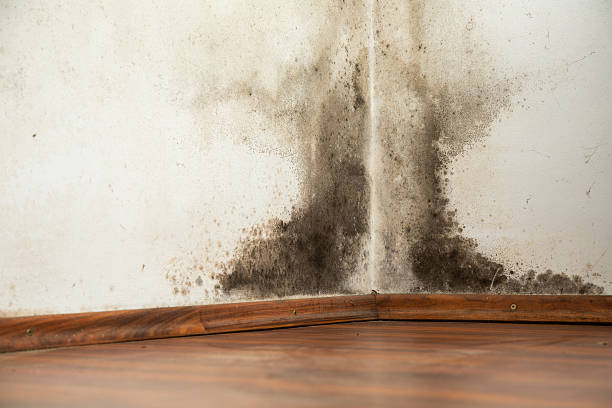
Mold remediation is an essential process for addressing a mold infestation, but one of the most common concerns homeowners face is whether mold can return after it has been removed. Unfortunately, while professional mold remediation services are designed to eliminate visible and hidden mold growth, certain factors can cause its recurrence. Understanding why mold comes back and adopting effective preventative measures can help safeguard your home or property from future infestations.
Reasons Mold May Reappear After Remediation
- Persistent Moisture Issues: Mold thrives in damp environments. If leaks, condensation, or high humidity levels persist after remediation, the conditions for mold growth remain favorable.
- Inadequate Repairs: If structural damage such as roof leaks or plumbing issues was not properly repaired during or after remediation, moisture could infiltrate these areas again.
- Improper Ventilation: Poor ventilation in areas like bathrooms, kitchens, and basements traps humidity indoors and creates ideal conditions for mold.
- Failure to Address Underlying Causes: If the root cause of the original infestation was not resolved—such as a hidden water intrusion—mold could easily return.
Effective Steps to Prevent Mold from Coming Back
- Keep indoor humidity levels below 50%.
- Use dehumidifiers in damp spaces like basements or crawl spaces.
- Install exhaust fans in bathrooms and kitchens.
- Repair leaking pipes, roofs, and windows promptly.
- Inspect areas prone to water intrusion during heavy rains or snowmelt.
- Open windows regularly to improve airflow.
- Ensure vents in high-moisture areas lead outdoors rather than recirculating air indoors.
- Check under sinks, behind appliances that use water (like washing machines), and around HVAC units for any signs of moisture buildup.
- Look for discoloration on ceilings and walls that may indicate hidden water damage.
- Use cleaning products designed to inhibit mold growth when wiping down surfaces prone to moisture exposure (e.g., bathroom tiles).
Tools and Technologies That Help Prevent Mold
| Tool/Technology | Purpose |
| Hygrometer | Measures indoor humidity levels |
| Dehumidifier | Reduces excess moisture from indoor air |
| Air Purifiers with HEPA Filters | Trap airborne mold spores |
| Thermal Imaging Camera | Detects hidden moisture inside walls |
Long-Term Maintenance Habits
- Schedule annual HVAC system inspections and cleanings.
- Clean gutters regularly to prevent blockages that could cause water overflow near your foundation.
- Replace damaged caulking around windows or doors where water intrusion could occur.
By addressing potential vulnerabilities in your property’s structure and environment while following these guidelines consistently, you can minimize the risk of having mold return after professional remediation in Hiealeah efforts.
Key Reasons Mold Can Return After Using a Mold Removal Company Hialeah, FL
Mold remediation is an essential process to eliminate active mold growth from your property. However, many homeowners and property managers are surprised when mold reappears after undergoing professional removal services. Understanding why mold can return and the factors contributing to its recurrence is critical in preventing future issues.
Effective Tips for Black Mold Removal Hialeah, FL: Preventing Its Return After Remediation
- Excess Moisture Was Not Addressed
Mold thrives in environments with high humidity or moisture levels. If the root cause of excess moisture—such as leaks, condensation, or poor ventilation—isn’t resolved during the remediation process, there’s a high likelihood that mold will resurface. - Incomplete Removal
While professional remediation services aim for thoroughness, inaccessible areas like inside walls, under flooring, or in crawl spaces may not always be fully treated. Even a small amount of leftover mold spores can regrow under the right conditions. - Poor Ventilation
Without proper airflow throughout a building, areas with stagnant air can trap humidity and foster conditions ideal for mold growth. - Contaminated HVAC Systems
HVAC systems are common culprits behind recurring mold problems because they can circulate spores throughout a building if not properly cleaned during remediation. - Failure to Address Building Materials
Porous materials like drywall, carpets, and insulation often absorb moisture and house dormant spores. If these materials aren’t replaced during remediation when necessary, they may reintroduce mold into the environment.
Essential Tips for Effective Mold Removal Services Hialeah, FL
| Factor | Description |
| Humidity Levels | Indoor relative humidity above 60% promotes rapid mold growth. |
| Structural Damage | Leaking roofs or cracks in foundations allow water intrusion over time. |
| Climatic Conditions | Regions with frequent rainfall or high humidity need extra preventive steps. |
| Neglected Maintenance | Overlooking gutter cleaning or pipe inspections fosters moisture buildup. |
How Poor Practices During Remediation Impact Future Mold Growth
- Inadequate containment of affected areas can allow spores to settle on other surfaces.
- Using household cleaning products instead of professional-grade solutions may fail to eradicate all spores.
- Skipping post-remediation testing leaves room for undetected residual contamination.
Preventing Recurring Mold Growth
- Control Humidity: Use dehumidifiers where necessary to maintain indoor relative humidity below 50%.
- Improve Ventilation: Install exhaust fans in kitchens and bathrooms; ensure air circulates freely throughout your space.
- Fix Leaks Promptly: Repair any plumbing issues, roof damage, or foundation cracks as soon as possible.
- Clean HVAC Systems: Regularly inspect and clean ducts to prevent spore circulation.
- Replace Damaged Materials: Remove any water-damaged porous items like carpet padding or drywall that cannot be effectively dried out.
By addressing these fundamental issues alongside professional remediation efforts, you significantly reduce the risk of future outbreaks while maintaining healthier indoor air quality for both occupants and visitors alike.
How to Prevent Mold from Coming Back After Professional Removal Services
Mold remediation is a critical step in restoring a healthy indoor environment. However, if proper measures are not taken after professional mold removal in Hialeah, FL, mold can return. Preventing its recurrence requires a proactive approach that includes addressing moisture issues, maintaining indoor air quality, and regular monitoring.
Addressing Moisture Issues
- Fix Leaks Promptly: Repair any leaks in roofs, walls, or plumbing systems as soon as they are discovered.
- Improve Ventilation: Use exhaust fans in areas prone to high humidity, such as bathrooms and kitchens. Ensure adequate airflow throughout the property by opening windows when weather permits.
- Monitor Humidity Levels: Keep indoor humidity levels below 50%. A hygrometer can help you monitor these levels, and dehumidifiers can be used to reduce excess humidity if necessary.
Maintaining Indoor Air Quality
Mold spores are often present in the air even after remediation. While they may not immediately cause problems without moisture, it’s essential to maintain good air quality to prevent their growth.
- Regular HVAC Maintenance: Clean and inspect HVAC systems regularly to ensure they don’t facilitate mold growth or circulate spores throughout your home.
- Use HEPA Filters: Install HEPA (High-Efficiency Particulate Air) filters in your HVAC system or air purifiers to trap airborne mold spores effectively.
- Avoid Carpeting in Damp Areas: Replace carpets with non-porous flooring materials in areas prone to dampness like basements.
Regular Monitoring and Inspections
Even after professional removal services, routine inspections play a pivotal role in ensuring that mold does not return unnoticed.
- Inspect Vulnerable Areas Monthly: Check basements, attics, crawl spaces, and under sinks for signs of dampness or visible mold growth.
- Musty odors
- Discoloration on walls or ceilings
- Water stains that do not dry over time
Proactive Habits for Prevention
| Habit | Why It Helps |
| Wiping down wet areas | Prevents water accumulation on surfaces |
| Using shower squeegees | Reduces lingering moisture post-showering |
| Avoiding overwatering plants | Prevents excess humidity indoors |
By integrating these practices into your routine and staying vigilant about potential problem areas within your property, you can greatly minimize the risk of recurring mold issues after professional remediation services.
Recognizing Hidden Mold Growth and Addressing the Underlying Causes
Mold growth can be deceptive, often thriving in areas that are not immediately visible. While surface mold is relatively easy to spot, hidden mold can linger unnoticed for long periods, causing structural damage and health issues. Recognizing hidden mold and tackling its root causes is crucial to ensure a safe and healthy environment.
Signs of Hidden Mold Growth
- Persistent Musty Odor: A strong, earthy smell in specific areas of your home could indicate hidden mold.
- Allergic Reactions: Symptoms such as sneezing, coughing, watery eyes, or respiratory discomfort that improve when you leave the building may signal exposure to unseen mold.
- Unexplained Stains or Discoloration: Dark spots or unusual discolorations on walls, ceilings, or floors may be signs of water damage leading to mold growth.
- Peeling Paint or Wallpaper: Moisture behind walls can weaken adhesives, causing paint or wallpaper to bubble or peel.
- Warped Surfaces: Warping in wood flooring or drywall might point to underlying moisture problems conducive to hidden mold.
Common Places Where Mold Hides
| Hidden Areas | Potential Sources of Moisture |
| Behind drywall | Leaking pipes or roof leaks |
| Beneath carpets | Spills, floods, or high humidity |
| Inside HVAC systems | Condensation buildup |
| Under sinks and cabinets | Plumbing leaks |
| Around window sills | Condensation from temperature changes |
| Inside crawl spaces and attics | Poor ventilation combined with water infiltration |
Addressing the Underlying Causes of Hidden Mold
- Inspect for plumbing leaks under sinks, behind appliances, and within walls.
- Check roofs and gutters for damage that allows water seepage.
- Look for condensation buildup around windows or air conditioning units.
- Improve airflow by using exhaust fans in bathrooms and kitchens.
- Open windows periodically to reduce indoor humidity levels.
- Invest in a dehumidifier if indoor humidity regularly exceeds 50%.
- Use a hygrometer to monitor humidity levels throughout your home.
- Fix cracked foundations or walls that allow water intrusion.
- Replace damaged insulation that could harbor moisture long-term.
- Periodically inspect less frequented areas like basements and attics for signs of dampness or unusual odors.
When Professional Help is Necessary
Although DIY solutions can address minor issues, significant hidden mold infestations require professional assessment and remediation services. Professionals use specialized equipment such as infrared cameras and moisture meters to detect concealed problem areas accurately.
By staying vigilant about potential warning signs of hidden mold growth while addressing underlying causes swiftly, you can create an environment resistant to future outbreaks—ensuring both safety and peace of mind for occupants.
Recognizing Hidden Mold Growth and Addressing the Underlying Causes
Mold can often grow undetected, posing potential health risks and property damage. Recognizing hidden mold growth is critical to effectively addressing the issue. This involves understanding where mold thrives, identifying signs of its presence, and tackling the underlying causes to prevent its recurrence.
Common Places Where Mold Hides
- Behind Walls: Leaking pipes or condensation can create moisture behind drywall, fostering mold growth.
- Under Flooring: Water damage or elevated humidity levels can lead to mold beneath carpets, tiles, or wooden floors.
- Inside HVAC Systems: Ducts with accumulated dust and moisture provide an ideal environment for mold spores to grow.
- In Basements and Crawl Spaces: Poor ventilation combined with damp conditions makes these areas especially prone to hidden mold.
- Underneath Sinks or Around Plumbing Fixtures: Leaky pipes can lead to persistent moisture, encouraging fungal development over time.
Signs of Hidden Mold Growth
- Persistent Musty Odor: A damp smell that doesn’t disappear despite cleaning efforts may signal concealed mold colonies.
- Unexplained Allergic Reactions: Symptoms such as coughing, sneezing, itchy eyes, or nasal congestion could worsen in specific areas of your home where hidden mold exists.
- Water Stains or Discoloration: Brownish stains on walls or ceilings might indicate water intrusion and potential hidden fungal activity behind surfaces.
- Warped Walls or Flooring: Bulges in walls or warped floorboards may indicate water damage—a precursor for unseen fungal growth.
Addressing the Underlying Causes
To effectively tackle hidden mold problems and prevent recurrence, it’s essential to address contributing factors like excess moisture and humidity levels.
Steps for Mitigation:
- Identify Sources of Moisture: Inspect plumbing systems for leaks, check roofs for damages that allow water infiltration, and evaluate window seals for potential gaps.
- Improve Ventilation: Ensure proper airflow in high-moisture areas like bathrooms by installing exhaust fans or using dehumidifiers when necessary.
- Regulate Indoor Humidity Levels: Keep indoor humidity between 30%–50% using a hygrometer to monitor levels regularly.
- Repair Damaged Surfaces: Replace any compromised drywall, flooring materials, insulation, or porous items that cannot be effectively cleaned after exposure.
Example Table – Tools Useful for Mold Prevention:
| Tool | Purpose | Example Usage |
| Dehumidifier | Reduces indoor humidity | Use in basements during humid months |
| Hygrometer | Monitors humidity levels | Place in high-risk areas like bathrooms |
| HEPA Vacuum Cleaner | Removes fine particles like mold spores | Use after cleaning contaminated spaces |
| Exhaust Fans | Improves air circulation | Install in bathrooms/kitchens |
By identifying both visible signs of damage and tackling root causes such as poor ventilation or leaks early on—hidden infestations become easier not only detected but resolved effectively over time without recurrence risks remaining high long term.
- Effective Hialeah, FL Mold Remediation: Can Mold Return and How to Prevent It
- Tips for Choosing the Best Mold Removal Company After Remediation Issues
- How Does Mold Remediation Work and What Does It Involve?
- A Comprehensive Guide to Black Mold Removal and Remediation
- Facts to Know Before Hiring a Mold Removal Company
- Finding the Right Mold Removal Company to Protect Your Health
- How to Choose the Best Hialeah, FL Mold Removal Company for Post-Rainy Season Cleanup
- Understanding the Process: How a Mold Removal Company Hialeah, FL Handles Remediation