
Mold is a type of fungus that thrives in damp, warm, and humid conditions. These microscopic organisms play an important role in nature by breaking down organic materials such as leaves, wood, and debris. However, when mold starts growing indoors, it can pose serious health risks for individuals exposed to it over time. Understanding what mold is and its potential effects on your health is crucial for maintaining a safe living environment.
The Basics of Mold
- Appearance: Mold can appear in various colors such as black, green, white, or even orange. It often has a fuzzy or slimy texture.
- Growth Conditions: Mold grows best in areas with high moisture levels. This includes bathrooms, kitchens, basements, or any area with water damage.
- Spread: Mold reproduces through tiny spores that travel through the air. These spores can land on surfaces and grow if moisture is present.
Why Mold Is Harmful to Your Health
Mold isn’t just an unsightly nuisance—it can also have significant implications for your well-being when you’re exposed to it for prolonged periods.
- Mold spores can irritate the respiratory tract when inhaled.
- Common symptoms include coughing, sneezing, nasal congestion, and throat irritation.
- Some people develop allergies to mold.
- Symptoms may include itchy eyes or skin rashes.
- Certain types of mold (e.g., Stachybotrys chartarum, commonly known as black mold) produce mycotoxins.
- Potential long-term exposure to toxic molds may lead to more severe health effects such as chronic fatigue or neurological issues.
Populations Most at Risk from Mold Exposure
| Group | Risks |
| Infants & Children | Developing immune systems make them more susceptible |
| Elderly Individuals | Weakened immune systems increase vulnerability |
| Asthma Patients | Higher likelihood of asthma attacks |
| Immunocompromised | Difficulty fighting off infections caused by molds |
When Should You Be Concerned?
- A persistent musty odor in your home
- Visible mold growth on walls or other surfaces
- Signs of water damage like peeling paint or warped flooring
- Household members experiencing unexplained allergies or respiratory issues
Preventing Indoor Mold Growth
- Keep humidity levels below 50% using dehumidifiers where necessary.
- Ensure adequate ventilation in high-moisture areas like bathrooms and kitchens.
- Repair leaks from pipes or roofs promptly.
- Clean and dry areas affected by water damage within 24–48 hours.
By understanding what mold is and why it matters for your health, you equip yourself with the knowledge needed to reduce risks associated with its presence indoors.
How a Florida Mold Removal Company Can Help Protect Your Respiratory Health
Mold is not just an unsightly problem in homes or workplaces; it can have serious implications for human health, particularly respiratory well-being. Understanding how exposure to mold impacts the respiratory system is essential for maintaining a safe and healthy environment.
How Mold Affects Respiratory Health
When mold grows indoors, it releases microscopic spores into the air. These spores can be inhaled, leading to a range of respiratory symptoms and conditions. Several factors influence the severity of symptoms, including the type of mold, duration of exposure, and individual sensitivity.
- Allergic Reactions: For those with sensitivities to allergens, inhaling mold spores can trigger symptoms such as sneezing, nasal congestion, itchy eyes, and throat irritation.
- Asthma Aggravation: Mold can worsen asthma symptoms or trigger asthma attacks in individuals who are predisposed to the condition.
- Respiratory Infections: Prolonged exposure may lead to infections in individuals with weakened immune systems or pre-existing lung conditions.
- Chronic Sinusitis: Persistent mold exposure may contribute to long-term inflammation in the sinuses.
Groups at Higher Risk
- Children: Exposure during early development can increase the risk of asthma and other respiratory issues.
- Elderly Individuals: Older adults often have weaker immune systems that make them more susceptible.
- People with Allergies or Asthma: Those already prone to breathing difficulties are at heightened risk when exposed to mold spores.
- Immunocompromised Individuals: People undergoing treatments such as chemotherapy or those with autoimmune diseases might see more severe health impacts.
Types of Mold That Are Particularly Harmful
| Type of Mold | Potential Impact on Respiratory Health |
| Stachybotrys (Black Mold) | Produces mycotoxins that can irritate lungs and lead to serious breathing problems. |
| Aspergillus | Can cause lung infections such as aspergillosis in immunocompromised individuals. |
| Penicillium | Known for causing allergic reactions like wheezing or difficulty breathing. |
| Cladosporium | Commonly triggers allergic responses that mimic asthma-like symptoms. |
Preventative Measures for Respiratory Safety
- Maintain proper ventilation throughout your home or workplace.
- Control indoor humidity levels by using dehumidifiers (ideally keeping them below 50%).
- Address leaks immediately—standing water creates an ideal environment for mold growth.
- Conduct regular inspections in damp areas such as bathrooms, kitchens, basements, and attics.
By understanding how molds affect respiratory health and taking preventative measures against their proliferation indoors, you reduce risks not only for yourself but also for loved ones sharing your living space.
Effective Mold Remediation to Prevent Respiratory Health Issues
Mold is not just an unsightly issue in your home; it has significant implications for your health. Prolonged exposure to mold, particularly in indoor environments, can lead to various respiratory problems. Understanding the connection between mold and respiratory health is crucial for maintaining a safe and healthy living space.
How Mold Affects Respiratory Health
- Allergic Reactions: Mold allergies are common and may result in symptoms such as sneezing, runny nose, itchy throat, coughing, and watery eyes.
- Asthma Triggers: For individuals with asthma, mold exposure can worsen symptoms or trigger asthma attacks.
- Respiratory Infections: People with compromised immune systems or underlying health conditions are more vulnerable to developing fungal infections in their lungs caused by mold exposure.
- Chronic Bronchitis-Like Symptoms: Prolonged exposure may lead to persistent coughing and wheezing that mimics bronchitis.
At-Risk Populations
| At-Risk Group | Why They Are Vulnerable |
| Children | Developing immune systems make them more sensitive to allergens like mold. |
| Elderly Individuals | Age-related decline in immunity increases susceptibility to infections. |
| Asthma Patients | Mold spores act as triggers for asthma attacks. |
| Immunocompromised People | Weak immune responses make it harder for the body to fight off fungi like mold. |
Common Respiratory Conditions Linked to Mold Exposure
- Symptoms include nasal congestion, sneezing, postnasal drip, and sinus pressure.
- A rare condition where prolonged exposure leads to lung inflammation.
- In some cases, long-term contact with certain types of molds exacerbates COPD symptoms.
Preventing Respiratory Risks Associated With Mold
- Use dehumidifiers or exhaust fans in areas prone to moisture buildup such as bathrooms or kitchens.
- Keep humidity levels below 50% using hygrometers to monitor conditions.
- Address any leaks in roofs, pipes, or walls before moisture encourages mold growth.
- Scrub away visible patches using appropriate cleaning agents such as a mixture of water and detergent or specialized fungicides.
Seek Professional Help If Necessary
If you suspect that indoor mold is causing health issues within your household or affecting vulnerable individuals like children or elders especially severely—it’s often best not just relying on DIY methods but seeking professional remediation services capable of identifying underlying causes comprehensively addressing them safely effectively preventing recurrence future risks alike
Effective Black Mold Removal and Understanding Its Impact on Your Health
Toxic mold is a significant concern for homeowners, renters, and business owners due to its potential to jeopardize both structural integrity and human health. Understanding how to identify toxic mold and recognizing its long-term effects on well-being is crucial for maintaining a safe environment. Here’s an in-depth look into toxic mold identification and the risks it poses.
Characteristics of Toxic Mold
- Stachybotrys chartarum (Black Mold): Often associated with water-damaged materials like drywall or wood, this type of mold thrives in high-humidity environments.
- Aspergillus: Found indoors in damp areas or on food products, some Aspergillus species release harmful toxins.
- Cladosporium: While not always toxic, prolonged exposure to Cladosporium spores can trigger allergic reactions and other health issues.
- Fusarium: A mold that grows on water-damaged carpets or wallpaper, releasing potentially harmful compounds.
Toxic mold often appears dark green, black, or grayish in color. It may have a slimy texture if it’s actively growing, but it can also appear dry or powdery when dormant.
Signs of Toxic Mold Presence
- Visible growth: Dark spots or patches on walls, ceilings, floors, or furniture.
- Musty odor: A persistent earthy smell that doesn’t dissipate even after cleaning.
- Water damage symptoms: Stains or peeling paint could signal hidden moisture creating a favorable environment for mold growth.
If you notice any of these signs in your home or workplace, further inspection is necessary.
Health Risks Associated with Toxic Mold Exposure
- Chronic coughing
- Wheezing
- Shortness of breath
- Nasal congestion
- Headaches
- Memory problems
- Difficulty concentrating
- Skin rashes
- Red or itchy eyes
- Sneezing
Young children, elderly individuals, and those with compromised immune systems are especially vulnerable to the effects of mold exposure over time.
Potential Long-Term Impacts
| Health Condition | Impact Description |
| Asthma | Prolonged exposure may aggravate asthma symptoms or contribute to its development. |
| Neurological Damage | Mycotoxin exposure has been linked to cognitive decline and mood disorders. |
| Chronic Fatigue Syndrome | Persistent tiredness without clear medical causes may result from toxin inhalation. |
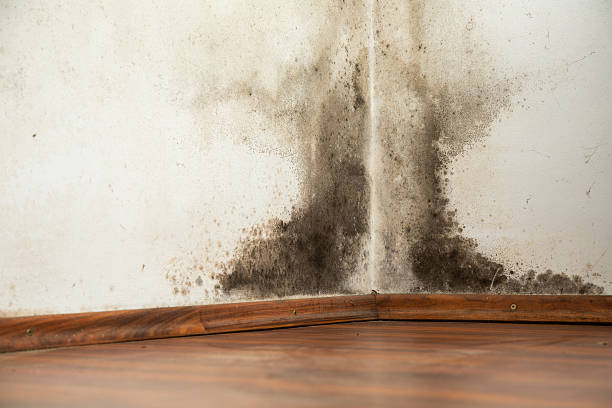
How to Address Concerns About Toxic Mold
- Conduct a thorough inspection focusing on areas prone to moisture buildup (attics, basements, bathrooms).
- Use professional testing kits designed specifically for detecting mycotoxins if physical evidence is unclear.
- Contact certified remediation specialists who can assess the severity of contamination and recommend proper cleanup procedures.
- Address underlying moisture issues such as leaks or poor ventilation immediately.
Identifying toxic mold early can prevent long-term damage both to your property and your personal health—making vigilance an essential part of safe living environments.
The Ultimate Guide to Mold Removal Services in Florida for Your Home
Inspecting your home for mold is an essential step in safeguarding your health and maintaining a clean, safe living environment. Mold can grow in hidden areas, so a thorough inspection process will help you identify its presence before it becomes a significant problem. Below is a detailed guide that outlines how to effectively inspect your home for mold.
Start with Visual Inspection
- Discolored Spots: Mold often appears as black, green, brown, or even white patches on surfaces.
- Water Stains: Yellow or brown stains on walls and ceilings may indicate water damage and potential mold growth.
- Fuzzy Textures: Some molds have a fuzzy or slimy texture that may be visible on surfaces like walls or furniture.
Inspect common problem areas such as bathrooms, kitchens, basements, and attics where moisture tends to accumulate.
Use Your Sense of Smell
- A persistent musty or earthy smell in certain areas of the house.
- Odors that intensify after rain or humidity spikes.
Trusting your sense of smell can help identify concealed mold growth behind walls or under flooring.
Investigate High-Moisture Areas
| Area | Common Causes of Moisture |
| Bathrooms | Leaky pipes, poor ventilation, shower steam |
| Kitchens | Under-sink leaks, refrigerator condensation |
| Basements | Groundwater seepage, flooding |
| Attics | Roof leaks, poor insulation |
Check these areas thoroughly and keep an eye out for any signs of water damage.
Check Hidden Spaces
- Behind furniture near external walls.
- Under carpets and rugs if they’ve been exposed to spills or flooding.
- Inside HVAC systems where condensation builds up frequently.
Use tools such as flashlights and small mirrors to inspect hard-to-reach areas thoroughly.
Conduct Moisture Testing with Tools
Consider using moisture meters or thermal imaging devices during your inspection. These tools can detect high moisture levels within walls and floors that could indicate hidden mold growth. A hygrometer can also measure indoor humidity levels; readings above 60% create an ideal environment for mold proliferation.
Watch for Health Symptoms
If you or household members experience unexplained health issues—such as sneezing, itchy eyes, coughing, headaches—mold may be present even if it’s not visible. Persistent allergic reactions are often linked to hidden mold exposure.
Document Your Findings
Keep detailed records during your inspection by taking notes and photographs of areas where you notice potential issues. Documentation will be helpful if you need professional remediation services later on.
By following this systematic approach to inspecting your home for mold, you’ll be better equipped to identify problems early and take appropriate action before the situation worsens. Regular inspections are essential for maintaining the safety and integrity of your living space.
The Complete Mold Remediation Process: How to Safely Remove Mold from Your Space
Mold remediation is a critical process for maintaining a safe, healthy, and comfortable living environment. Properly tackling mold not only ensures the safety of your property but also reduces the risk of health complications associated with prolonged exposure. Below is a comprehensive guide to help you understand and execute the complete mold remediation process.
Step 1: Assessing the Severity of the Mold Problem
- Inspect Visible Areas: Look for discoloration, fuzzy patches, or stains on walls, ceilings, and floors.
- Check Hidden Spots: Mold often grows in damp areas like behind drywall, under carpets, or inside HVAC systems.
- Measure Moisture Levels: Use a hygrometer or moisture meter to identify areas with excessive humidity (above 60% is conducive to mold growth).
If you’re dealing with extensive mold contamination (typically larger than 10 square feet), it’s recommended to consult a professional.
Step 2: Isolate the Affected Area
- Seal Off Doors and Vents: Use plastic sheeting and duct tape to cover doors, windows, or vents connected to other parts of your home.
- Turn Off HVAC Systems: Prevent airflow through heating or cooling systems that could transport spores.
- Use Negative Air Pressure Machines: These devices pull contaminated air out of the workspace while filtering clean air back in.
Step 3: Remove Contaminated Materials
| Material | Action Required |
| Porous materials (e.g., drywall, carpet) | Remove and discard if heavily infested with mold |
| Non-porous surfaces | Clean thoroughly using appropriate cleaning agents |
| HVAC filters | Replace filters immediately if they’ve been exposed |
Ensure debris is sealed in heavy-duty plastic bags before disposal.
Step 4: Cleaning Surfaces Thoroughly
- Use soap and water for light cleaning.
- For stubborn spots, consider using commercial mold removers or a mixture of bleach (1 cup) and water (1 gallon). Always follow product instructions.
- Use vacuums equipped with HEPA filters designed to trap fine particles like mold spores.
- Launder any washable textiles exposed to contamination using hot water and detergent.
Step 5: Repair Moisture Issues
- Fix leaky plumbing or roofing promptly.
- Install dehumidifiers in high-humidity areas like basements.
- Improve ventilation by adding exhaust fans in bathrooms or kitchens.
Addressing moisture control at its source will significantly reduce the likelihood of future outbreaks.
Step 6: Verify Remediation Success
- Inspect previously infested areas for visible signs of regrowth.
- Reassess humidity levels; aim for indoor humidity between 30–50%.
- If uncertain about results, hire an air quality specialist to test for remaining spores.
By following this methodical process, you can ensure that your space remains free from harmful molds while reducing risks associated with improper handling techniques. Always prioritize safety throughout every phase of remediation work.
Safety Measures for Protecting Yourself and Your Home During Mold Removal
Ensuring safety during mold removal is crucial to prevent health risks and avoid further contamination. Mold spores can easily become airborne, causing potential respiratory issues and spreading to other areas of your home. Below are detailed safety measures to protect yourself and your property while addressing mold problems.
Personal Protective Equipment (PPE)
- Respirator Mask: Use an N95 or higher-rated respirator mask to filter out microscopic mold particles.
- Gloves: Opt for disposable or heavy-duty rubber gloves to avoid skin contact with mold or cleaning solutions.
- Protective Clothing: Wear long sleeves, pants, and disposable coveralls if possible. This prevents spores from sticking to your clothes.
- Goggles: Use safety goggles without ventilation holes to protect your eyes from mold particles and cleaning chemicals.
Preparing the Area
- Seal Off the Area: Use plastic sheeting and duct tape to isolate the workspace from other parts of your home. This minimizes the chance of spores spreading.
- Turn Off HVAC Systems: Mold spores can easily travel through ventilation systems; switch off HVAC units during removal.
- Remove Uncontaminated Items: Take out furniture, fabrics, or decor that has not been affected by mold but could become exposed during cleanup.
- Cover Air Vents and Openings: Seal vents, doorways, or any other openings leading out of the workspace using tape and plastic sheets.
Using Proper Ventilation
- Open windows if possible but place an exhaust fan directing air outdoors; this will help reduce airborne spore concentration during cleanup.
- Avoid using regular fans inside the area as they could disturb settled spores.
Safe Cleaning Practices
- Wipe down areas with a mixture of water and detergent.
- Avoid dry brushing or scraping as these actions release more spores into the air.
- If severely infested, these items may need disposal since mold grows deeply into porous surfaces.
- Place discarded materials in sealed plastic bags before disposal.
- After removing visible mold, use a solution like diluted bleach (1 cup bleach per gallon of water) or commercial-grade fungicides for disinfection.
Post-Cleanup Measures
- Vacuum thoroughly using a vacuum cleaner equipped with a HEPA filter to capture leftover particles.
- Wash all reusable PPE and clothing separately in hot water immediately after use.
- Monitor humidity levels in your home with a hygrometer; aim for levels below 50% to prevent future outbreaks.
| Item | Purpose | Recommendation |
| Respirator Mask | Protects lungs from airborne spores | N95 mask or higher rating |
| Gloves | Prevents skin contact | Disposable latex/nitrile gloves |
| Goggles | Shields eyes | Non-vented safety goggles |
| HEPA Vacuum | Captures residual particles | HEPA-certified vacuum |
By following these protocols diligently, you not only safeguard yourself but also create a healthier environment in your home following remediation efforts.
- Effective Hialeah, FL Mold Remediation: Can Mold Return and How to Prevent It
- Tips for Choosing the Best Mold Removal Company After Remediation Issues
- How Does Mold Remediation Work and What Does It Involve?
- A Comprehensive Guide to Black Mold Removal and Remediation
- Facts to Know Before Hiring a Mold Removal Company
- Finding the Right Mold Removal Company to Protect Your Health
- How to Choose the Best Hialeah, FL Mold Removal Company for Post-Rainy Season Cleanup
- Understanding the Process: How a Mold Removal Company Hialeah, FL Handles Remediation